
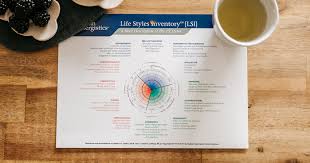
Ever felt like you’re juggling too many things and not sure where your time or energy goes? Maybe you’ve wondered why some habits stick while others fade away. Understanding your personal patterns is the first step to making positive changes.
This post will guide you through what a life styles inventory is and how it can help you gain clarity. You will learn practical ways to assess your current lifestyle, identify areas for improvement, and build habits that truly serve you.
Key Takeaways
- A life styles inventory helps you see your daily habits clearly.
- It reveals where your time and energy are spent.
- You can pinpoint areas of your life that need attention.
- It aids in setting realistic goals for personal growth.
- Using this tool can lead to a more balanced and fulfilling life.
- It’s a powerful way to understand your own behavior patterns.
What Is A Life Styles Inventory
A life styles inventory is a tool that helps individuals examine and evaluate their daily routines, habits, attitudes, and behaviors. It’s like taking a snapshot of your current life to see what’s working and what isn’t. This process isn’t about judgment; it’s about gaining self-awareness.
By systematically reviewing different aspects of your life, you can identify patterns that may be holding you back or discover strengths you can build upon. It helps you understand how your lifestyle impacts your well-being, productivity, and overall happiness.
Think of it as a personal audit. Just like a business audits its finances, you can audit your lifestyle. This involves looking at how you spend your time, manage your energy, interact with others, and approach challenges.
The goal is to get a clear, objective view of your current situation. This awareness is the foundation for making intentional changes. Without knowing where you are, it’s hard to plan where you want to go.
A well-conducted inventory provides that crucial starting point.
Components Of A Life Styles Inventory
A comprehensive life styles inventory typically covers several key areas. These areas help to paint a full picture of your life. They often include physical health, mental and emotional well-being, social connections, work or career, personal development, and leisure activities.
Each section prompts you to reflect on specific behaviors and feelings related to that aspect of your life. For instance, under physical health, you might consider your eating habits, exercise routine, and sleep patterns. For social connections, you might reflect on the quality and quantity of your relationships.
The questions within each component are designed to be thought-provoking. They encourage honest self-assessment. You might be asked to rate your satisfaction levels, identify recurring thoughts, or list activities you engage in regularly.
For example, in the work section, you might list your daily tasks and reflect on whether they align with your career goals or drain your energy. The aim is to uncover both positive habits and areas where adjustments could lead to significant improvement. This structured approach ensures no significant aspect of your life is overlooked.
- Physical Health
This section focuses on how you care for your body. It includes questions about your diet, how often you exercise, your sleep quality, and any health concerns you have. Understanding your physical habits is vital because your body is the foundation for everything else you do. Are you eating nutritious foods? Are you moving your body regularly? Do you get enough restful sleep? Answering these questions can highlight areas where small changes can have a big impact on your energy levels and overall health. - Mental and Emotional Well-being
Here, you explore your thoughts, feelings, and how you cope with stress. This could involve assessing your mindset, your ability to manage emotions, and your general sense of happiness. Are you prone to negative self-talk? How do you handle difficult emotions? Do you practice mindfulness or other stress-reduction techniques? This part of the inventory is crucial for understanding your inner world and how it affects your outward actions. - Social Connections
This component looks at your relationships with others. It includes family, friends, colleagues, and community involvement. Are your relationships supportive and fulfilling? Do you make time for the people who matter most? Are you involved in your community? Strong social ties are a significant predictor of happiness and longevity. Assessing these connections can reveal whether you feel supported and if you are giving adequate attention to these important bonds. - Work and Career
This area examines your professional life. It’s not just about your job title but also about your job satisfaction, work-life balance, and career goals. Do you find your work meaningful? Is your workload manageable? Do you feel appreciated? Understanding your feelings about your work can highlight whether it contributes positively or negatively to your overall life satisfaction. - Personal Development and Learning
This part focuses on your growth and continuous learning. It includes hobbies, skills you want to learn, and any efforts you make to expand your knowledge or capabilities. Are you pursuing new interests? Are you reading or taking courses? Do you set personal goals for growth? Investing in personal development can lead to greater fulfillment and a sense of purpose. - Leisure and Recreation
This examines how you relax, have fun, and recharge. Do you have hobbies? Do you take time off to pursue enjoyable activities? Do you engage in activities that help you unwind? Adequate leisure time is essential for preventing burnout and maintaining a balanced life. This section helps you evaluate if you are making enough time for joy and rest.
How To Conduct Your Life Styles Inventory
To conduct your own life styles inventory, begin by setting aside dedicated time. This isn’t something to rush through. Find a quiet space where you won’t be interrupted.
You can use a notebook, a digital document, or even a printable worksheet. The key is to have a consistent place to record your thoughts and observations. Be honest with yourself.
This process is for your benefit, so the more truthful you are, the more valuable the insights will be.
Start by going through each section of the inventory. Answer the questions as they apply to your current life. Don’t try to answer them based on how you wish your life were.
Focus on reality. For example, if asked about your exercise habits, record what you actually do, not what you intend to do. Use a rating scale if helpful, such as 1-5, where 1 is “poor” and 5 is “excellent,” or simply describe your habits in detail.
The goal is to gather raw data about your lifestyle.
- Choose Your Method
Decide how you will document your inventory. A simple notebook works well for jotting down thoughts and reflections. A digital document offers easy editing and searching capabilities. If you prefer a structured approach, you can find many free printable life styles inventory worksheets online. Whichever method you choose, ensure it’s comfortable and accessible for you. The important part is consistency in your recording. - Dedicate Time
Block out a specific period for this activity. It might take a few hours, or you might spread it over a few days. Avoid distractions like your phone or TV. Treat this as an important appointment with yourself. This dedicated time signals the importance of self-reflection and ensures you can focus deeply on the task at hand without feeling rushed. - Go Through Each Section Honestly
Systematically work through each component of the inventory. For each question, reflect on your actual behaviors, feelings, and thoughts. If a question doesn’t fully apply, make a note of that. If you find yourself consistently feeling stressed or dissatisfied in a particular area, acknowledge it. This honest self-appraisal is the bedrock of the entire process. - Analyze Your Responses
Once you have completed all sections, take time to review your answers. Look for patterns. Are there recurring themes of dissatisfaction or stress? Are there areas where you are consistently happy and engaged? Note any surprises or insights that emerge from your review. This analysis phase is where the real value of the inventory begins to unfold, turning raw data into actionable understanding. - Identify Areas for Improvement and Strengths
Based on your analysis, pinpoint specific areas where you want to make changes. These might be habits you want to break, new habits you want to build, or attitudes you want to shift. Equally important, identify your strengths. Recognizing what you are already doing well can provide motivation and a basis for building further success.
Benefits Of A Life Styles Inventory
The most significant benefit of conducting a life styles inventory is increased self-awareness. When you understand your own patterns, you gain control. You can see why you react certain ways, why certain habits are hard to break, and where your energy is really going.
This awareness empowers you to make conscious choices rather than acting on autopilot. It’s like turning on a light in a dark room; suddenly, you can see the path ahead clearly.
Another major benefit is the ability to set more effective goals. When you have a clear picture of your current lifestyle, you can set goals that are realistic and relevant. Instead of vague aspirations like “be healthier,” you can identify specific actions, like “add a vegetable to dinner each night” or “walk for 20 minutes three times a week.” This precision makes goals much more achievable and increases your chances of success.
It moves you from wishing to doing.
Improved Goal Setting
Without a clear understanding of your current habits, setting goals can be like throwing darts blindfolded. A life styles inventory provides the target. By identifying specific areas of your life that need attention, you can set precise, actionable goals.
For example, if your inventory reveals you spend too much time on social media, you can set a goal to limit your daily usage to a specific time. This specificity makes the goal achievable and measurable, increasing the likelihood of success.
This inventory helps you understand your capacity and limitations. You learn what realistic progress looks like for you. Instead of setting overly ambitious goals that lead to discouragement, you can set achievable milestones.
This phased approach builds momentum and confidence. Each small success reinforces positive behavior and makes further progress more likely. It’s a cycle of understanding, setting, and achieving.
Enhanced Well-being
When you identify areas of your life that are causing stress or dissatisfaction through a life styles inventory, you can take steps to improve them. This might involve adjusting your schedule to get more sleep, dedicating time to hobbies that bring you joy, or setting boundaries in relationships. Addressing these issues directly leads to a greater sense of balance and overall well-being.
You feel more in control and less overwhelmed by life’s demands.
Taking proactive steps based on your inventory’s findings can significantly reduce feelings of burnout and discontent. When your lifestyle aligns better with your values and needs, you experience more happiness and fulfillment. It’s about creating a life that supports you, rather than one that drains you.
This conscious alignment is a powerful pathway to lasting well-being. It transforms everyday living from a series of tasks into a source of satisfaction.
Real-Life Example
Sarah noticed she was always tired and felt overwhelmed by her work. She completed a life styles inventory and discovered she was spending nearly three hours each evening scrolling through social media, often feeling anxious afterward. She also realized she was sacrificing sleep to finish work emails late at night.
Based on this, she set a goal to reduce her social media time by an hour each day and to stop checking work emails after 8 PM. Within a month, she reported feeling more rested, less anxious, and more productive during her working hours.
Identifying Limiting Beliefs
Sometimes, the barriers to change aren’t external circumstances but internal beliefs. A life styles inventory can help uncover these limiting beliefs. For example, you might notice a pattern of avoiding new challenges.
When you reflect on this, you might realize you tell yourself, “I’m not good at new things” or “I’ll probably fail.” These thoughts, identified through inventory reflection, are limiting beliefs. Recognizing them is the first step to challenging and changing them.
By questioning these beliefs, you open yourself up to new possibilities. Instead of accepting “I’m not good at new things” as a fact, you can reframe it to “I can learn new things with practice.” This shift in perspective, facilitated by the self-awareness gained from the inventory, can unlock significant personal growth. It allows you to approach situations with a more open and capable mindset, leading to greater achievement and confidence.
- Recognizing Patterns
The inventory prompts you to see recurring behaviors. You might realize you procrastinate on important tasks or consistently overcommit yourself. Seeing these patterns in black and white makes them undeniable. This objective view is crucial for breaking free from habitual responses that no longer serve you. It highlights areas where a conscious intervention is needed to create a positive shift. - Challenging Assumptions
We often operate under assumptions about ourselves and our abilities. For instance, you might assume you are “just not a morning person.” Through the inventory, you can examine your actual morning routine. If it’s chaotic and lacks structure, that assumption might be more of an excuse than a fact. Questioning these automatic thoughts allows you to discover hidden potential. - Reframing Negative Thoughts
The inventory can reveal a tendency towards negative self-talk. You might notice you frequently criticize yourself after making a mistake. By identifying this pattern, you can consciously work on reframing these thoughts. Instead of thinking “I’m so stupid,” you can learn to think “I made a mistake, and I can learn from it.” This cognitive shift is powerful for mental health.
Life Styles Inventory Applications
A life styles inventory isn’t just an academic exercise. It has practical applications in many areas of life. For individuals seeking personal growth, it’s a fundamental tool.
For professionals, it can be used to improve work habits and career satisfaction. Even in therapeutic settings, it can help clients gain insight into their behaviors and develop healthier coping mechanisms. Its versatility makes it a valuable resource for anyone looking to understand and improve their life.
The insights gained from an inventory can inform decisions about major life changes. For example, if you realize your current career path is causing immense stress and dissatisfaction, your inventory findings can support your decision to seek a different profession. It provides the evidence you need to justify change and gives you a starting point for planning your next steps.
It translates introspection into action, making your life choices more deliberate and effective.
Personal Development
For individuals focused on personal development, a life styles inventory is an essential tool. It helps identify strengths to leverage and weaknesses to address. By understanding your current habits and patterns, you can create a targeted plan for growth.
If you want to become more disciplined, your inventory might reveal that you need to improve your time management or set clearer daily priorities. This leads to specific, actionable steps rather than vague intentions.
This inventory also helps in setting meaningful personal goals. Instead of just saying “I want to be happier,” you can identify what specific changes will contribute to your happiness. Perhaps it’s spending more quality time with loved ones, pursuing a neglected hobby, or reducing exposure to negative influences.
The inventory provides the detailed information needed to create a roadmap for achieving a more fulfilling life. It’s about building a life that truly aligns with your values and aspirations.
- Career Advancement
Professionals can use a life styles inventory to assess their work habits, identify areas of burnout, and pinpoint skills they need to develop for career advancement. It helps in understanding how effectively one manages time, stress, and professional relationships. This self-assessment can highlight whether a current role is a good fit or if a change is needed. - Relationship Improvement
By examining social connections, communication patterns, and time spent with loved ones, individuals can identify areas for improvement in their relationships. Understanding how one contributes to dynamics, resolves conflicts, or shows appreciation can foster healthier and more fulfilling connections with family and friends. - Health and Wellness Goals
The inventory is invaluable for setting and achieving health and wellness goals. It provides a clear picture of current habits related to diet, exercise, sleep, and stress management. This data allows for the creation of realistic, personalized plans to improve physical and mental health, leading to sustained well-being.
Workplace Productivity
In a professional setting, a life styles inventory can boost productivity. By understanding how you manage your time, focus, and energy, you can identify and eliminate time-wasting activities. This might include reducing distractions, optimizing your workday schedule, or delegating tasks effectively.
The goal is to work smarter, not just harder, leading to better output and reduced stress.
Understanding your personal energy cycles is also key. Some people are morning larks, while others are night owls. An inventory can reveal when you are most alert and productive.
By scheduling demanding tasks during these peak times, you can significantly increase your efficiency. This strategic use of personal energy can transform your workday and lead to greater professional success. It’s about aligning your work with your natural rhythms.
Case Study: Improved Productivity
A small marketing team used a simplified life styles inventory to understand their collective productivity. They discovered that their afternoon meetings were often attended by team members who were experiencing an energy slump. By rescheduling these meetings to the morning, their focus improved, discussions were more productive, and the overall time spent in meetings felt more valuable.
This change led to a reported 15% increase in task completion rates for the following quarter.
Common Myths Debunked
Myth 1: A Life Styles Inventory Is Only For People With Problems
This is a common misconception. While a life styles inventory can certainly help identify and address problems, it is a tool for everyone. It’s just as valuable for people who feel their life is generally good but want to make it even better.
It’s about continuous improvement and self-awareness, not just fixing something that’s broken. Think of it as preventative maintenance for your life, not just a repair service.
Myth 2: It’s Too Time-Consuming To Be Worthwhile
While conducting a thorough inventory does require an investment of time, the benefits often far outweigh the initial effort. The insights gained can save you time in the long run by helping you become more efficient and avoid repeating unproductive patterns. Many people find that dedicating a few hours to this process can lead to significant improvements in their daily lives, making them feel more in control and less stressed.
Myth 3: The Results Are Permanent And Unchangeable
A life styles inventory is a snapshot of your life at a specific moment in time. Your life, your habits, and your priorities will continue to change. Therefore, it’s beneficial to revisit your inventory periodically, perhaps annually or whenever you feel a significant shift occurring.
The insights are not static; they are meant to guide you through different phases of your life. It’s a dynamic tool for ongoing self-discovery.
Myth 4: It Requires Special Tools Or Training
You don’t need any special tools or extensive training to conduct a life styles inventory. A simple notebook and pen, or a basic word processor, are sufficient. The process relies on your honest self-reflection and willingness to examine your habits.
Numerous free resources, questionnaires, and guides are available online if you prefer a structured approach, but none of them require professional expertise to use.
Frequently Asked Questions
Question: How often should I do a life styles inventory
Answer: It’s beneficial to conduct a full life styles inventory at least once a year. However, you might find it helpful to check in more frequently, perhaps quarterly, or whenever you notice significant changes in your life or feel a sense of imbalance.
Question: Can I use a life styles inventory to lose weight
Answer: Yes, a life styles inventory can be a great tool for weight loss. By examining your eating habits, exercise routines, sleep patterns, and stress levels, you can identify specific areas to target for improvement, making your weight loss journey more structured and effective.
Question: What if I discover bad habits during the inventory
Answer: Discovering bad habits is the first step toward changing them. The inventory helps you identify these patterns so you can consciously work on replacing them with healthier ones. Focus on making small, consistent changes rather than trying to overhaul everything at once.
Question: How do I stay motivated to make changes after completing the inventory
Answer: Motivation often comes from seeing progress. Set small, achievable goals based on your inventory findings, celebrate your successes, and remind yourself of why you wanted to make these changes. Connecting with a friend or support group can also help maintain motivation.
Question: Can a life styles inventory help with career choices
Answer: Absolutely. By reflecting on your work habits, job satisfaction, and personal values, you can gain clarity on what you truly want from a career. This can help you make informed decisions about your current role, potential career changes, or professional development.
Conclusion
Your life styles inventory offers a clear path to understanding your daily world. It shows you what’s working and what needs adjustment. By taking stock of your habits and attitudes, you gain power to shape your days.
Use this awareness to make small, consistent changes. Build a life that feels more balanced and fulfilling for you.