
Imagine moving to a new country and wondering what daily life is really like. You’ve heard Germany is efficient and organized, but what does that mean for your everyday routine? This post will explore the realities of life style in Germany, from work-life balance to social customs.
By the end, you’ll have a clearer picture of what to expect, helping you feel more prepared and confident about your potential move.
Key Takeaways
- Understanding typical work hours and vacation policies.
- Learning about social etiquette and common greetings.
- Discovering Germany’s approach to punctuality and planning.
- Grasping the importance of recycling and environmental consciousness.
- Exploring the food culture and common meal practices.
- Gaining insight into leisure activities and community involvement.
Daily Life and Work Ethic in Germany
Germany is known for its structured approach to life, and this strongly influences the daily rhythm. Work is a significant part of life, but there’s a deep respect for personal time. This balance is often reflected in the country’s employment laws and cultural norms.
Work Hours and Flexibility
The standard work week in Germany is typically around 35 to 40 hours. Many companies offer flexible working hours, allowing employees to adjust their start and end times within certain parameters. This flexibility helps individuals manage personal appointments or family needs more easily.
- Flexible start and end times are common.
- Overtime is usually compensated or can be taken as time off.
For example, an office worker might start at 8:00 AM and finish at 4:30 PM, while another colleague might begin at 9:00 AM and leave at 5:30 PM, both completing a standard workday. This system is designed to promote efficiency and employee well-being.
Vacation and Time Off
Germans highly value their vacation time. The legal minimum is 20 days per year, but most full-time employees receive 25 to 30 days. This generous allowance is taken very seriously, with many Germans planning their holidays well in advance.
- Generous vacation days are a standard benefit.
- Longer breaks are common for holidays and personal rejuvenation.
Taking extended breaks allows for true relaxation and detachment from work, contributing to a healthier work-life balance. This emphasis on rest helps prevent burnout and keeps the workforce refreshed and productive.
Punctuality and Planning
Punctuality is a highly valued trait in German culture. Being on time for appointments, meetings, and social gatherings is expected and shows respect for others’ time. This applies to both professional and personal settings.
- Arriving on time is crucial for appointments and meetings.
- Social events also benefit from prompt attendance.
If you agree to meet a friend at 7:00 PM, it is expected you will arrive around that time, not much later. Germans tend to plan their activities and schedules with precision, which can be seen in everything from public transport to personal commitments.
This tendency towards planning extends to everyday errands. For instance, grocery shopping might be done on specific days of the week, and appointments for services are booked weeks in advance. This predictability makes daily life run smoothly for many.
Social Customs and Etiquette
Understanding social norms is key to integrating into any new culture. German social customs are generally characterized by politeness, directness, and a certain reserve, especially upon first acquaintance.
Greetings and Introductions
When meeting someone for the first time, a firm handshake is the standard greeting, accompanied by direct eye contact. Using formal titles and last names (e.g., Herr Schmidt, Frau Müller) is common in professional settings or when addressing elders. Once a relationship becomes more informal, first names are used.
- Firm handshake with eye contact is typical.
- Use of formal titles is important initially.
- First names are used in casual settings.
In a business meeting, you would likely address your counterparts as “Herr Director” or “Frau Professor” until invited to use their first names. This shows respect for their position and is a sign of good manners.
Directness in Communication
Germans tend to be direct in their communication style. They often say what they mean without excessive politeness or beating around the bush. While this might seem blunt to some cultures, it is generally not intended to be rude; rather, it is seen as efficient and honest.
- Communication is often straightforward and to the point.
- Honesty and clarity are highly valued.
For example, if a German person has constructive criticism about a project, they will likely state it clearly so improvements can be made quickly. This directness can foster a sense of trust and transparency in relationships.
Social Gatherings and Visiting Homes
When invited to someone’s home, it is customary to bring a small gift, such as a box of chocolates, a bottle of wine, or flowers. It is also polite to remove your shoes upon entering, so wearing clean socks is a good idea. Germans are generally private people, so invitations into their homes are often a sign of developing friendship.
- Bring a small gift when invited to a home.
- Remove shoes upon entering a German household.
Attending a dinner party might involve a more structured meal, with guests often helping clear the table or participate in preparing parts of the meal. This shared effort fosters a sense of community and hospitality.
Environmental Consciousness and Sustainability
Germany is a global leader in environmental awareness and sustainability. This commitment is visible in everyday practices, from waste separation to energy consumption.
Waste Separation and Recycling
Waste separation is a fundamental part of life in Germany. Residents are required to sort their household waste into different bins for paper, plastic, organic waste, and residual waste. There are also specific collection points for glass and other recyclable materials.
- Strict waste separation rules are enforced.
- Different bins are used for paper, plastic, organic, and residual waste.
- Special collection points exist for glass and other recyclables.
The system is highly organized, with color-coded bins and clear guidelines on what goes where. This meticulous approach ensures a high recycling rate and reduces the amount of waste sent to landfills.
| Waste Type | Bin Color | Examples |
|---|---|---|
| Paper | Blue | Newspapers, magazines, cardboard |
| Organic | Brown | Food scraps, vegetable peels, coffee grounds |
| Residual Waste | Black/Grey | Non-recyclable items, hygiene products |
| Packaging (Plastic/Metal) | Yellow (Sack) | Plastic bottles, metal cans, Tetra Paks |
This practice is not just a suggestion but a legal requirement, and residents are educated from a young age about its importance. The collective effort significantly reduces the country’s environmental footprint.
Energy Consumption and Conservation
Germans are very conscious of energy consumption. Many households actively seek to reduce their energy usage by using energy-efficient appliances, turning off lights when leaving a room, and opting for renewable energy sources. The “Energiewende” (energy transition) is a national policy aiming to shift towards renewable energy.
- Emphasis on using energy-efficient appliances.
- Active efforts to reduce electricity consumption.
- Growing adoption of renewable energy sources.
You will often see solar panels on rooftops or hear about local initiatives for wind power. This nationwide focus on sustainability creates a collective responsibility for environmental care.
Food and Dining Culture
German cuisine is hearty and diverse, with regional specialties playing a significant role. Meal times are often structured, and there’s a strong appreciation for fresh, seasonal ingredients.
Typical Meals
Breakfast (“Frühstück”) is usually a substantial meal, often consisting of bread or rolls (“Brötchen”), cheese, cold cuts, jam, and coffee or tea. Lunch (“Mittagessen”) used to be the main meal of the day, often eaten around noon. While this tradition is evolving, many still opt for a warm meal at midday.
- Breakfast is a hearty affair with bread, cheese, and meats.
- Lunch can be a warm meal, though many now have lighter options.
- Dinner (“Abendbrot”) is typically a lighter meal, often bread with toppings.
Dinner (“Abendbrot”), or “evening bread,” is often a lighter meal consisting of bread with various spreads, cheese, or cold meats. This contrasts with the larger midday meal and allows for a more relaxed evening.
Regional Specialties and Dining Out
Each region in Germany boasts its own culinary delights. Bavaria is known for its pretzels, Weißwurst, and beer, while the north might feature more fish dishes. Berlin offers a multicultural culinary scene with influences from around the world.
Dining out is a popular activity. Restaurants range from traditional “Gasthäuser” serving local dishes to modern international cuisine. Many restaurants are closed on Mondays, a tradition that helps give staff a break.
- Embrace regional culinary diversity.
- Restaurants vary from traditional to international.
- Many restaurants close on Mondays for staff rest.
When dining, it is customary to wait until everyone is served before starting to eat. Tipping is appreciated for good service, typically around 5-10% of the bill.
Shopping for Groceries
Supermarkets are the primary places for grocery shopping, offering a wide range of products. Weekly markets (“Wochenmärkte”) are also popular, providing fresh, local produce directly from farmers. Many smaller bakeries and butchers also exist, offering high-quality artisanal goods.
- Supermarkets offer a wide selection of goods.
- Weekly markets are great for fresh, local produce.
- Bakeries and butchers provide artisanal products.
Shopping at a weekly market allows for direct interaction with producers, and the quality of the food is often exceptional. This direct connection to food sources is a key aspect of the German appreciation for good cuisine.
Leisure Activities and Community Life
Leisure time in Germany is highly valued, and people engage in a variety of activities, from outdoor pursuits to cultural events and club memberships.
Outdoor Recreation and Nature
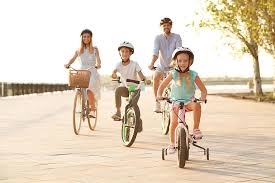
Germans have a strong connection to nature. Hiking, cycling, and spending time in parks or forests are very popular. The country has extensive networks of well-maintained trails for both walking and biking, making it easy to explore the landscape.
- Hiking and cycling are popular pastimes.
- Extensive trail networks are available for outdoor enthusiasts.
- Spending time in parks and forests is common.
During the warmer months, many people enjoy visiting lakes for swimming or boating, and beer gardens become vibrant social hubs for enjoying the outdoors and a refreshing drink.
Club Culture and Hobbies
Germany has a strong “Vereinskultur” or club culture. People join clubs for almost any hobby imaginable, from sports like football (soccer) and gymnastics to choral singing, gardening, and even beekeeping. These clubs provide a sense of community and shared interest.
- Club culture is a significant part of social life.
- Memberships cater to a wide range of hobbies and interests.
- Clubs foster community and social connections.
Joining a local club can be an excellent way to meet people and become involved in the community. For instance, a newcomer might join a local sports club to quickly make friends and integrate into their new town.
Cultural Events and Festivals
Throughout the year, Germany hosts numerous cultural events and festivals. These range from large-scale music festivals and art exhibitions to local town fairs and Christmas markets (“Weihnachtsmärkte”). Participating in these events offers a glimpse into German traditions and celebrations.
- A rich calendar of cultural events and festivals.
- Festivals range from local fairs to large exhibitions.
- Christmas markets are a beloved winter tradition.
These events often feature traditional food, music, and crafts, providing immersive experiences for locals and visitors alike. The Oktoberfest in Munich is perhaps the most famous, but countless smaller, equally charming events occur across the country.
Common Myths Debunked
Myth 1: All Germans are reserved and unfriendly.
While Germans can appear reserved initially, this often stems from a cultural emphasis on politeness and privacy. Once you get to know them, many are warm, loyal, and engaging friends. Building trust takes time, but the relationships are often deep and lasting.
Myth 2: Germany is a very expensive country to live in.
While major cities can be pricey, Germany offers a good quality of life at a reasonable cost, especially when compared to some other Western European nations. Groceries, public transport, and healthcare are often more affordable. Rent varies significantly by region, with smaller towns being much cheaper than cities like Munich or Berlin.
Myth 3: Germans only eat sausage and potatoes.
This is a significant oversimplification. While traditional dishes like sausages and potatoes are popular, German cuisine is diverse and regional. Modern Germany embraces international flavors, with a wide variety of cuisines available, from Italian and Turkish to Asian and Middle Eastern.
Myth 4: German is a difficult language to learn.
German has a reputation for being challenging, but with a structured approach, it is learnable. Many Germans speak excellent English, especially in urban areas and younger generations. However, learning some German greatly enhances the experience and integration into local life.
Frequently Asked Questions
Question: What is the typical working day like in Germany
Answer: A typical working day in Germany is around 8 hours, often with flexible start and end times. The standard work week is about 35-40 hours, and punctuality is highly valued.
Question: How important is recycling in Germany
Answer: Recycling is extremely important in Germany. Waste separation into different bins for paper, plastic, organic waste, and residual waste is a mandatory practice for all households.
Question: Are social gatherings formal in Germany
Answer: Social gatherings can range from formal to informal. In professional settings or when first meeting people, formality is common. However, with friends and family, gatherings are usually relaxed and enjoyable.
Question: What are some popular leisure activities for Germans
Answer: Popular leisure activities include hiking, cycling, joining sports clubs, attending cultural events, and spending time outdoors in nature. Germany has a strong club culture for various hobbies.
Question: Is it easy to make friends in Germany
Answer: Making friends can take time as Germans can be reserved initially. Joining clubs, participating in community events, and showing genuine interest are good ways to build connections.
Conclusion
Life style in Germany balances efficiency with a deep appreciation for personal time. You can expect a structured yet flexible work environment, a strong sense of community through clubs, and a commitment to sustainability. Embracing punctuality, direct communication, and environmental responsibility will help you adapt smoothly to the German way of life.